



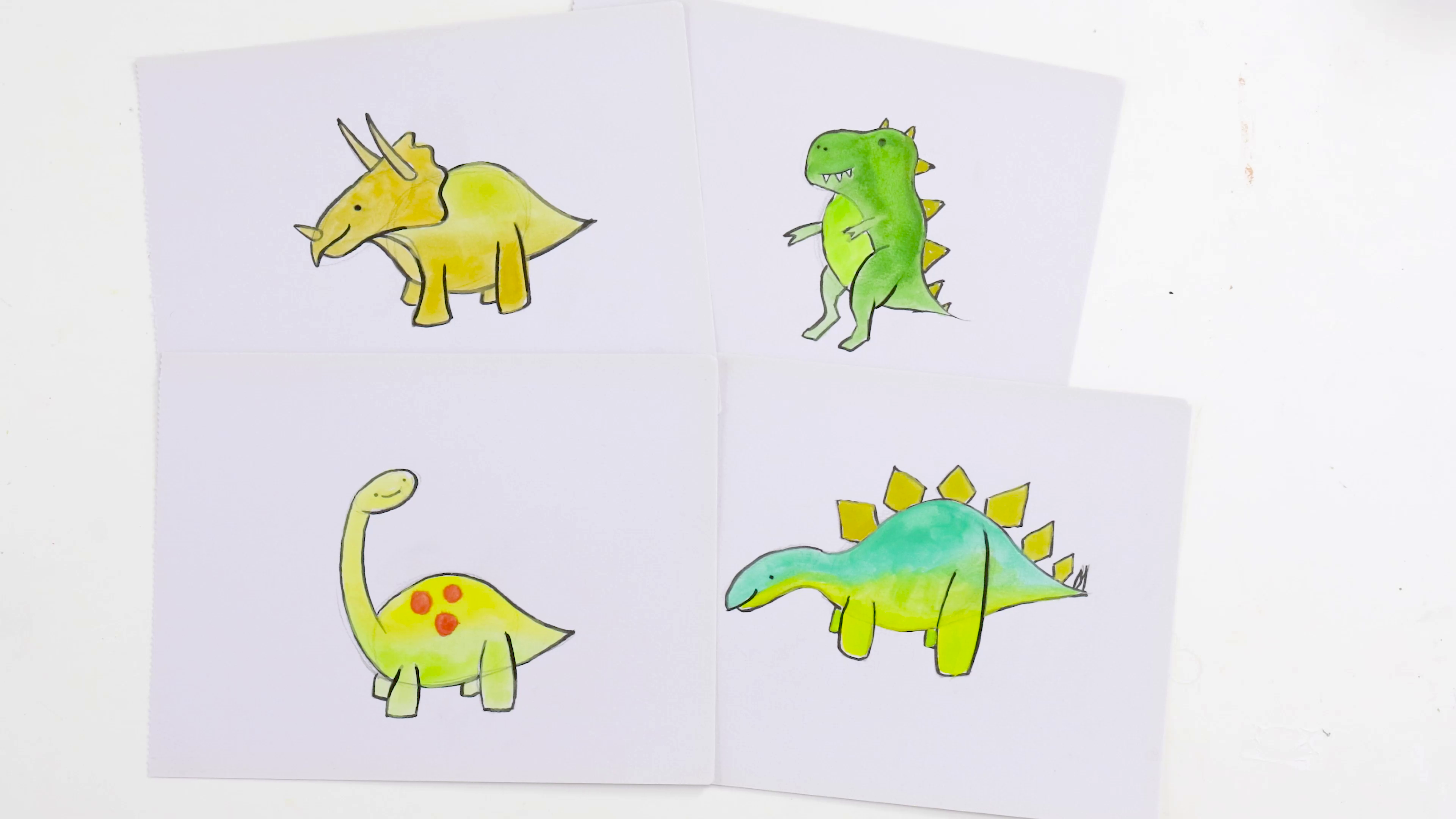
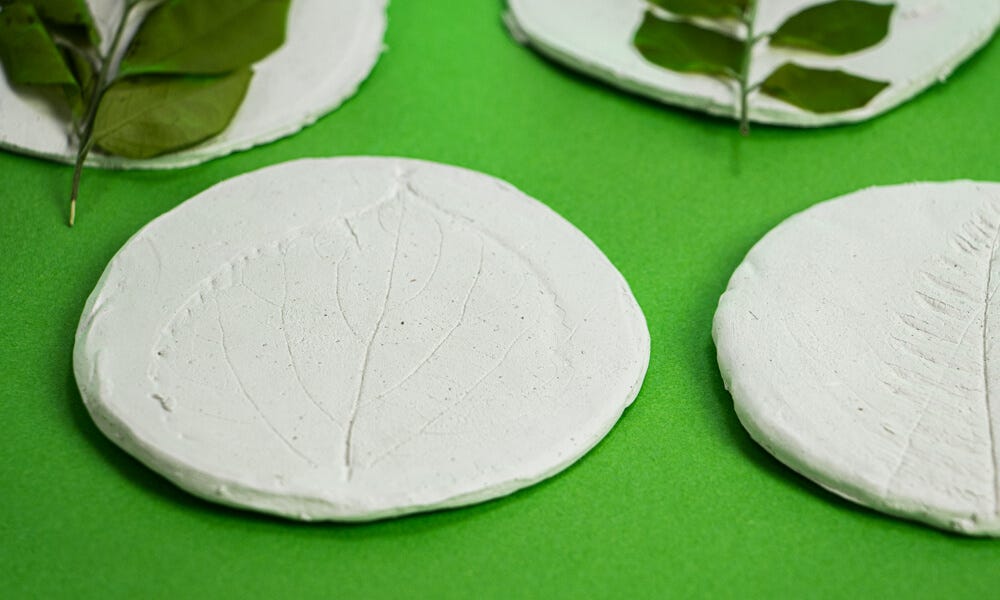
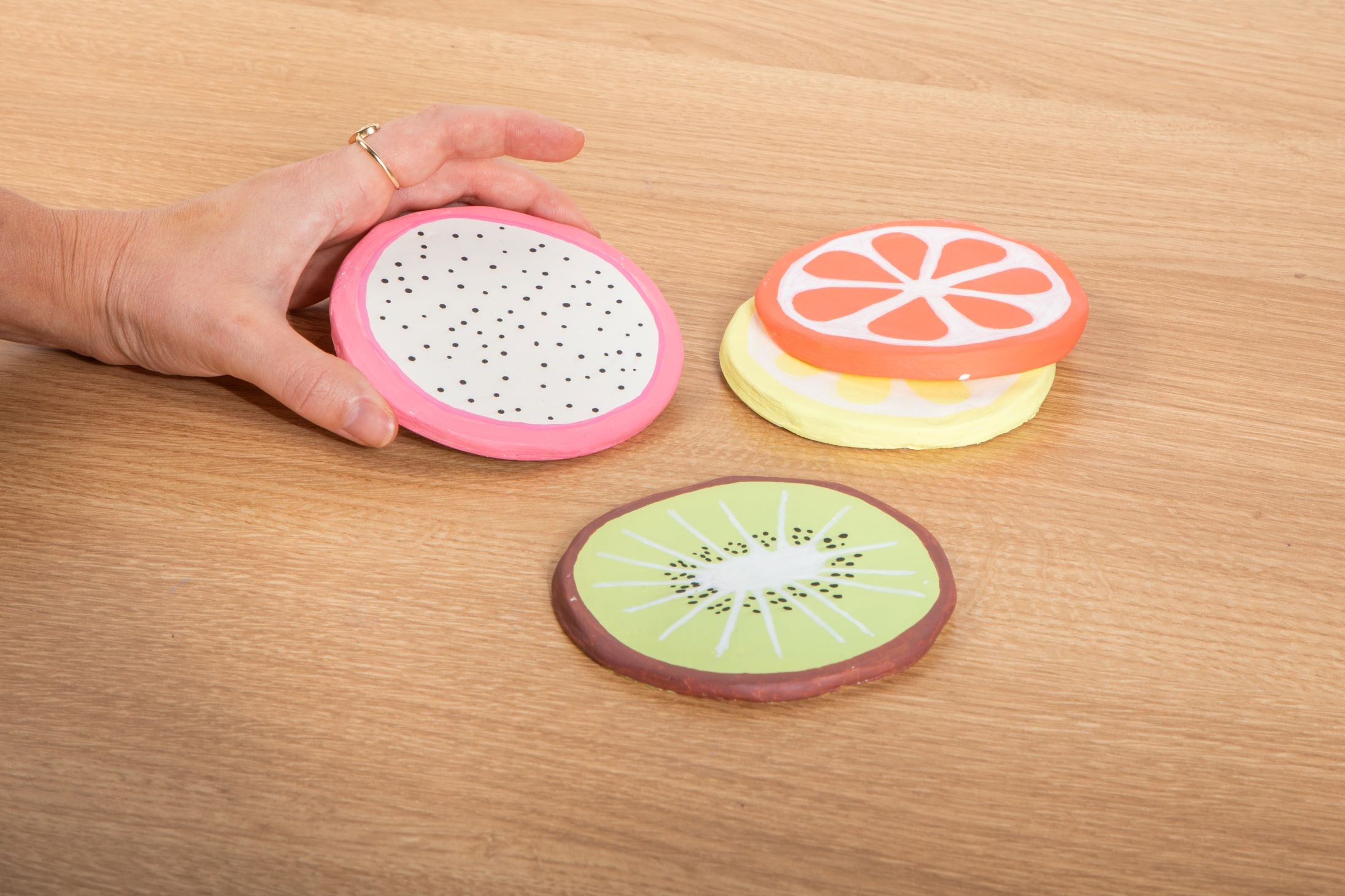
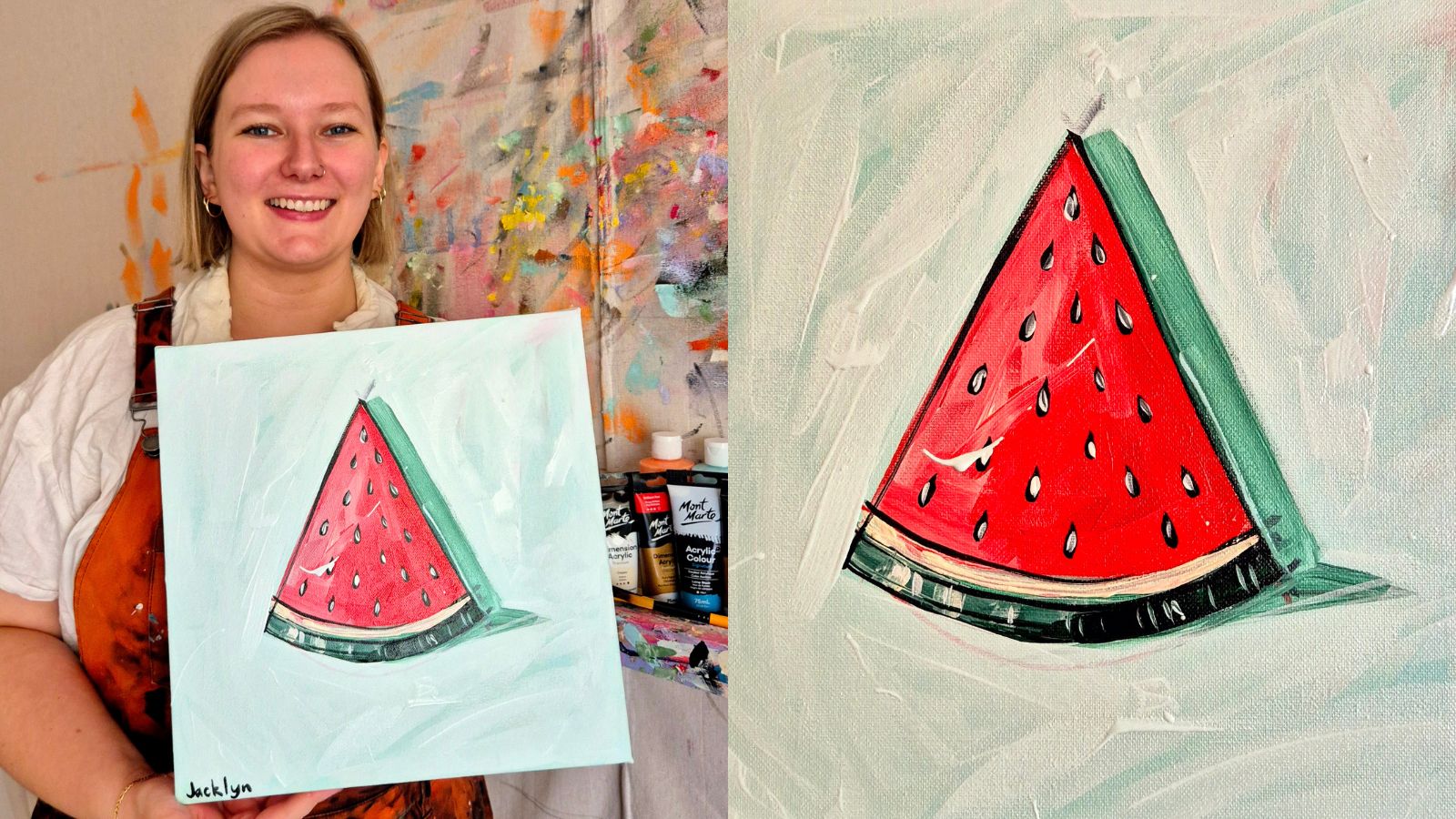






If you’ve ever watched your child happily scribbling away and quietly wondered how much it’s actually helping their development – or if you should be doing something to make it “educational” – you’re definitely not alone. Art time can look a bit messy or random from the outside, but there’s a lot going on for little brains and little hands. Here are six common questions parents have about learning through art, so you know what’s worth spending time on!
1. How does using art for development actually work?

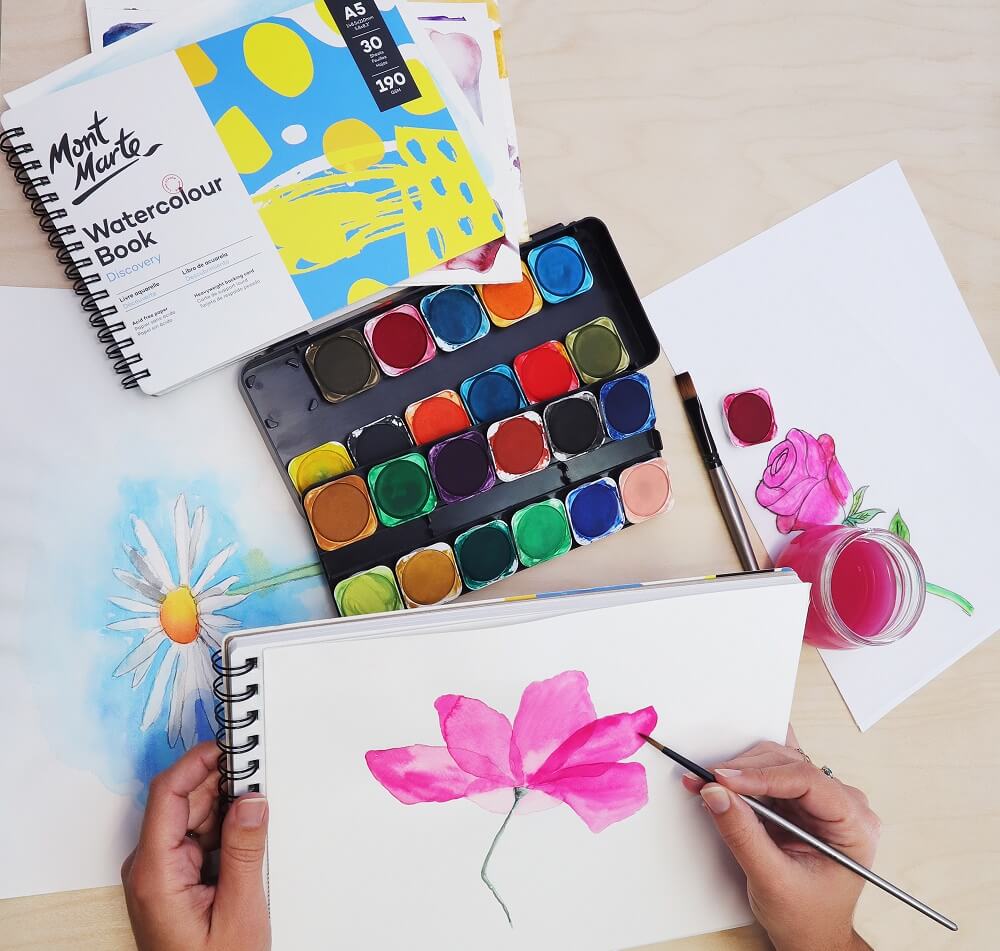
Art isn’t just about making something that looks ‘good’. When your child draws, paints, crafts, or squishes clay, they’re working on fine motor skills, coordination, imagination, focus, and problem-solving, often all at once.
Every time they decide where to put a line, which colour to choose, or how to fix something they’re not happy with, they’re practising planning and decision-making. And when they finish a picture and feel proud of it, that’s a little boost to their confidence too. No matter how wobbly the stick figure or how muddy the colours – it all counts to building their neural pathways and personality.
2. My child seems to just scribble. Is that okay or should I be teaching them to “draw properly”?

Scribbling is not “just scribbling”, it’s a really important developmental stage. Young children are experimenting with how tools work and figuring out that their movements make marks. That’s a big deal for their growing brains and bodies!
You don’t need to correct their scribbles or show them the “right” way to draw things. Instead, you can talk about what they’re doing:
- “Wow, you’ve made lots of round marks here.”
- “You’ve gone really fast across this part!”
- “So many colours – which one do you like best?”
If they want to tell you what it is, great. If not, that’s fine too! As they grow, their drawings will naturally become more recognisable and there’s no need to rush the process.
3. What kind of creative development activities are best for different ages?

You don’t need to follow strict rules or set expectations, but here’s a soft guide if you’re not sure where to start.
Toddlers (1–3 years) – Think big, simple, and sensory.
- Finger painting
- Chunky crayons on large paper
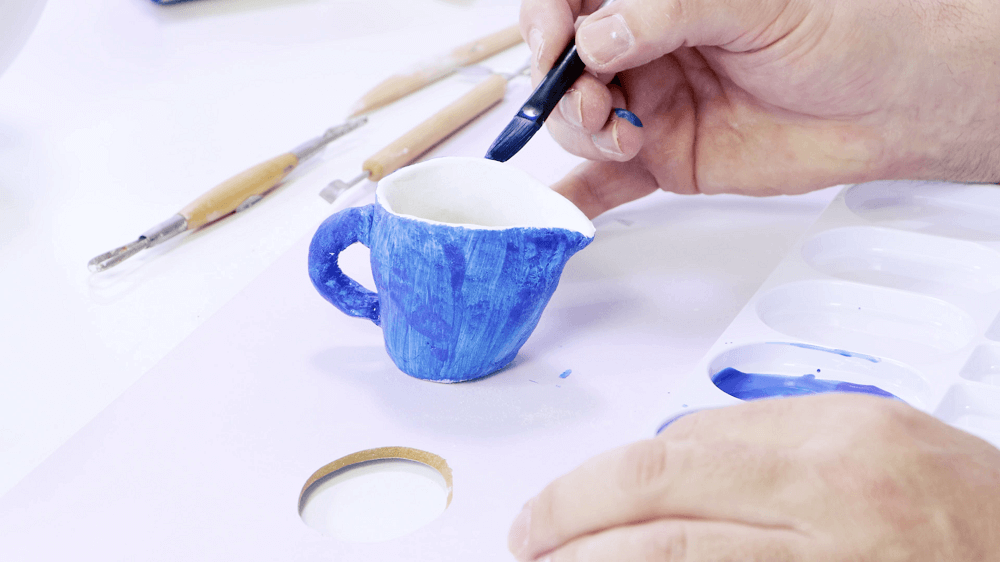
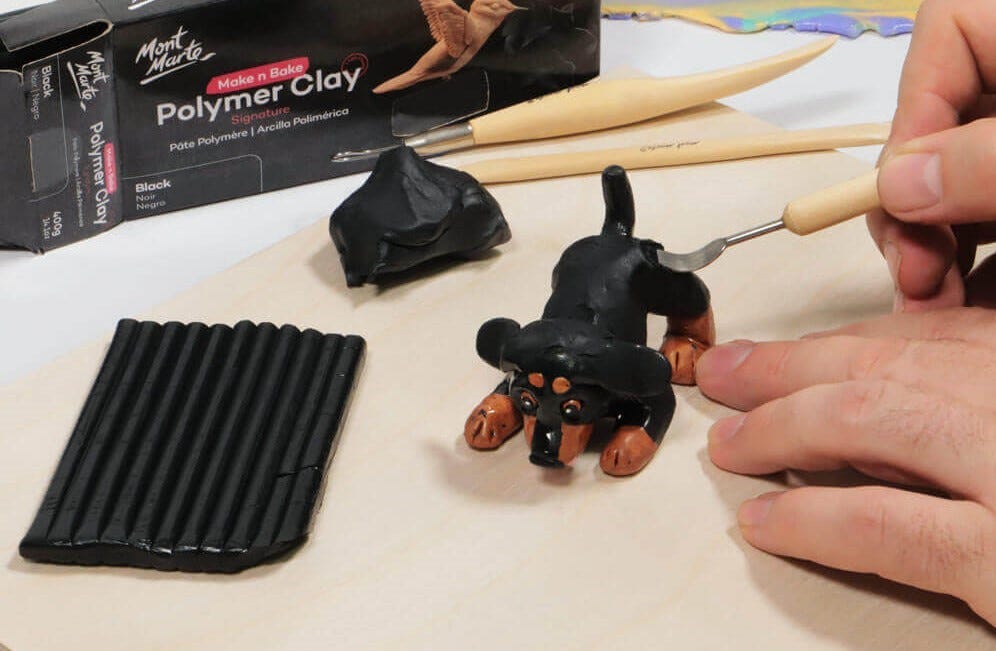
- Safe dough or clay to squeeze and poke
Preschoolers (3–5 years) – Can follow a couple of steps and love exploring
- Easy collages
- Dot markers and simple stamping
- Gluing pre-cut shapes
- Basic tracing and colouring
Early primary (5–8 years) – Ready for a bit more structure
- Simple drawing prompts (“Draw your dream pet”)
- Themed projects (monsters, houses, maps)
- Painting with different brush sizes
- Beginner craft kits or project ideas
If something feels too frustrating, just simplify it or scale it back. There’s no rush and every time they create, their brain is working!
4. My child gets upset when their art “doesn’t look right”. How can I help?

This is really common, especially as kids get older and start comparing themselves to others. The best thing you can do is gently shift the focus from “Is it good?” to “What did you enjoy or learn?”.
Try commenting on the effort or choices rather than the result:
- “You worked so carefully on those stripes.”
- “What inspired you to make this?”
- “I love how you kept trying different styles here!”
If they’re frustrated, you can remind them that even grown-up artists do rough drafts and make changes. Sometimes having a scrap piece of paper nearby for testing ideas first can take the pressure off. Keeping a few “just for fun” sessions, where they’re encouraged to play with colour or texture with no goal in mind, also helps. Feel free to create alongside them to demonstrate that it’s no big deal and model that making mistakes is okay.
5. Can creative development help with big feelings and confidence?

Yes, in a big way. Art gives kids a safe outlet for feelings that might be hard to talk about. They might draw a stormy sky when they’re angry, use strong colours when they’re excited, or choose calm shapes and shades when they’re feeling peaceful. You don’t have to analyse every drawing, but you can invite conversation with simple prompts like, “Tell me about your picture,” or “How were you feeling when you made this?”
Over time, knowing they have a space where they can express themselves without being judged – and where there’s no “wrong” answer – can really boost their sense of confidence and self-trust. You might even want to direct them to make art when they’re feeling a little over stimulated, as it can have a calming effect on busy minds.
6. How long should my child be able to sit and do art?

Shorter than you might expect, especially for younger kids. Toddlers might only stay with an activity for a few minutes before wandering off, and that’s totally normal. Preschoolers can often manage around 10–20 minutes, and early primary kids might happily keep going for 20–30 minutes if they’re really into what they’re doing.
If they lose interest, it doesn’t mean the activity ‘failed’. You can leave things set up on a table and let them dip in and out. Little bursts of creativity add up over time.
If you take one thing away, let it be this: you don’t have to be “good at art” or running Pinterest-perfect projects to support your child’s creativity. Offer the materials, keep the vibe relaxed, sit alongside them when you can, and let curiosity lead the way. The rest will come with time.
If your little artist makes something at home, #montmarteart or tag us @montmarteart on Instagram or Facebook. We’d love to see how their creativity takes shape!
Stay up to date with the latest Mont Marte news, info, products, projects, and more by subscribing to Creative Connection down below. Simply enter your email to get loads of free art lessons and inspo sent straight to your inbox.


