









Looking for texture painting ideas for your next acrylic piece? Here are 12 to try: pastel impasto, terracotta arches and other modelling paste art ideas, crackled landscapes, a sculpted ocean wave and mixed media with lace and string. Most start with acrylic paint and one medium, such as impasto or modelling paste.
Some paintings make you want to reach out and touch them. Thick paint and a palette knife are often all it takes to turn a flat canvas into peaks and ridges you can almost feel. Choose one of these textured acrylic painting ideas to start with, and hey, you might pick up a few impasto techniques along the way too.
1. Pastel meets impasto

Image: ash.marie.art
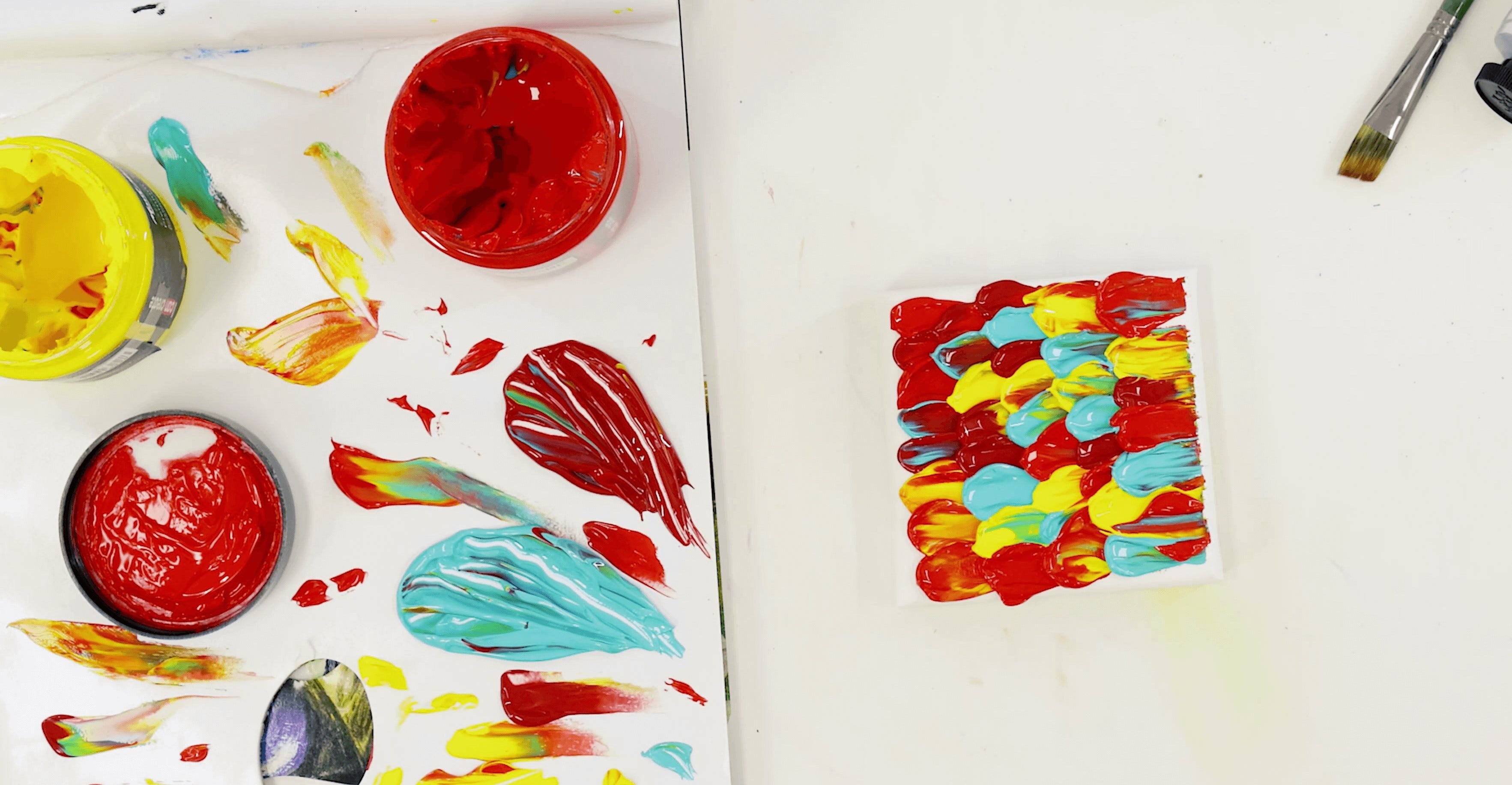
Believe it or not, mixing in impasto with your acrylic paints is enough to create dreamy texture like this! Impasto is worth dipping into if you’re exploring textured acrylic painting ideas. It’s easy to use and it’s a great way to add texture and thickness to your paints. Then play around with your paint colours to create fun-loving pastel tones. This texture idea was created using our impasto!
2. Palette knife painting

This texture painting idea is great for those moments where you feel like creating but don’t have many clean brushes on hand. Reach for a palette knife and try your hand at creating some texture like this. Add impasto to your paints for thicker texture or reach for our Dimension Acrylic, then scoop up the paint with a palette knife before applying it directly to the canvas.
Changing the angle and pressure of your palette knife opens up even more textured painting ideas, from broad swipes and sharp edges to ridges and raised peaks. For more ways to work with palette knives, take a look at our 12 palette knife painting tips.
3. Play with shapes

We love this idea of playing around with shapes to add texture. If you’re looking for a new medium to try, take a look at modelling paste and experiment with creating shapes with paste. You can mix modelling paste with acrylic paints if you’re looking for thicker paint. Or you can have a go at shapes using paste and then paint over the top. Dial up the fun with waves, swirls, circles, squares, and splotches, but most importantly have fun! You might get it right the first time or you might not, either way you can still create something awesome.
4. Block in colours

Looking for something fun to try? Mix in a bit of impasto with your acrylic paints, then try blocking your colours in using a palette knife. For landscapes, lightly draw where you’d like your colours to go before picking up the paints, then block your colours in by working darkest to lightest. For more on colour blocking, check out our 10 colour blocking ideas.
5. Limited colour palette

Challenge yourself and your texture creations, by limiting your palette to get your creative juices flowing. This textured idea is made up of just three colours and it just goes to show that you don’t need a massive collection of paint to get started. So, what are you waiting for? Grab some impasto, a few paint colours, and get creating!
6. Terracotta arches
 Image: texturedbyrosa
How satisfying are these?! You can create your own arches by applying a layer of modelling paste over your artwork, then smoothing it out. Pop your shapes in using a palette knife and add directional lines to create arch shapes. Once it’s dry, it’s ready for you to grab the paint brushes.
If you’re looking for modelling paste art ideas, this same technique can be used beyond arches. Spread modelling paste across the surface, then use a palette knife to shape curved or directional lines before it dries.
7. Accentuate areas

Don’t be afraid to paint over your texture once it’s dry, to accentuate areas. We’ve used impasto and acrylic in this idea, then reached for a smaller brush to add in a bit of fun and mark out the areas. Try this idea for yourself with how-to here.
8. Crackle paste
 Image: darlene_goodman
Crackle paste is a great medium to try for creating new and exciting textures! It not only helps add interest, but it can also make your artworks look weathered which is great for landscapes. Crackle paste dries to an opaque, white finish, so it can change the colour of your paints, meaning pastel colours just got easier!
Apply your colour first, then add a thin, even application of paste over the top, wait for it to dry and then enjoy your new texture. For more on crackle paste check out our 11 common crackle paste questions.
9. Use texture as a focal point

If you’re wanting to create a landscape or a beach scene but still looking for some texture, try using modelling paste as your focal point. We love this idea of using a heavy texture for the wave, adding smaller waves in too, plus the circular canvas is really the icing on the cake.
Try shaping your own raised waves with our textured beach painting project.
10. Dreamy blends

These dreamy blends of blue, pink, purple, and gold look extra special with texture added.
You don’t need a whole lot to have fun with texture, you can add texture to your acrylic paintings using household items. For a fine texture, try sprinkling sand onto the canvas or mixing it directly into your paints, this will thicken the paint and give you a thicker, grainy texture. It’s worth a try!
Want to keep experimenting? Try pebbles, eggshells, and other everyday materials with our guide to adding texture to your painting using household items.
11. Play with gradients
 Image: courtneymixedstudio
We love this idea of playing with gradients. Next time you’re dipping into impasto, try a blend of colour and apply your darkest colour at the top or bottom, then your lightest colour, and use a palette knife to blend. Or build up the texture then apply the gradient colours over the top.
12. Try mixed media
 Image: courtneymixedstudio
Add even more texture to your acrylic artworks with a mixed media approach. Fabrics like lace, hessian, string, rope or buttons can add interesting effects to your artworks. Glue the material on first, then cover it up with your acrylic paint.
Looking for more textured painting ideas? Meet textured artist Dani Pratt and learn how experimenting helped shape her signature raised petals, plus the tools and inspiration behind her work in our artist feature.
FAQs
1. How do you add texture to an acrylic painting?
You can add texture with thick acrylic paint, mediums, palette knives, texture tools, or materials added to the canvas. Try building raised brushstrokes, shaping paste into patterns, scraping lines into wet paint, or layering fabric and other mixed media into your artwork.
2. What can I add to acrylic paint to create texture?
Mix impasto with acrylic paint to thicken the colour and help brush or palette knife marks hold their shape. For heavier, raised areas, mix in modelling paste; or try applying the paste first, shaping it while wet, and painting over it once dry.
3. How do you make textured acrylic paint?
Start with a thicker acrylic paint like Dimension Acrylic or mix your colour with a medium such as impasto. Once you have the consistency you want, use a brush or palette knife to build ridges, peaks, lines, and other raised marks instead of smoothing the paint flat.
These texture painting ideas show how different materials and techniques can change the finished surface, from thick floral petals and carved arches to crackled landscapes and mixed-media details. Keep these examples handy when you’re looking for something new to try.
We hope that you feel inspired to try your own acrylic paint texture artwork for yourself. Show us what you create, #montmarteart or tag us @montmarteart on Instagram or Facebook, we’d love to see it.


