



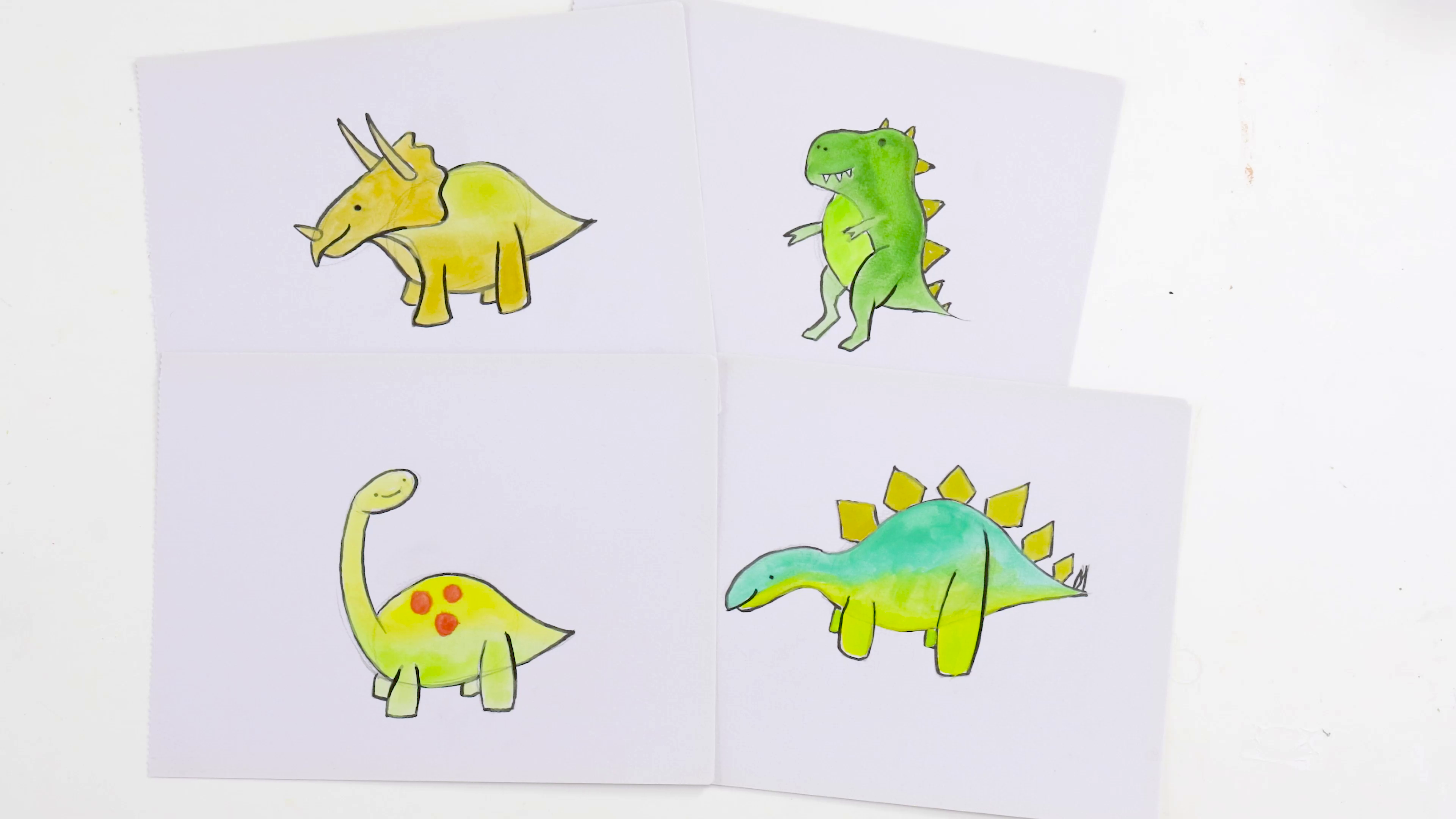





Hello there, I’m Marcella Wylie – a botanical and wildlife illustrator specialising in colourful, hand drawn art. I’m based on the West coast of Scotland and love to create. For me, drawing and painting are form of meditation.
I absolutely love nature and bright, bold colours and want to reflect that love in my work. I want people to feel the same joy I feel when I make my artwork when they look at it. My work celebrates the extraordinary diversity of nature, because I think Mother Nature provides endless inspiration.
I graduated from art school back in 2008 and since that time, I have been lucky enough to have worked for both private and corporate clients around the world. I would say my style is very vivid and colourful, but I also focus on drawing lots of tiny intricate details in my illustrations.
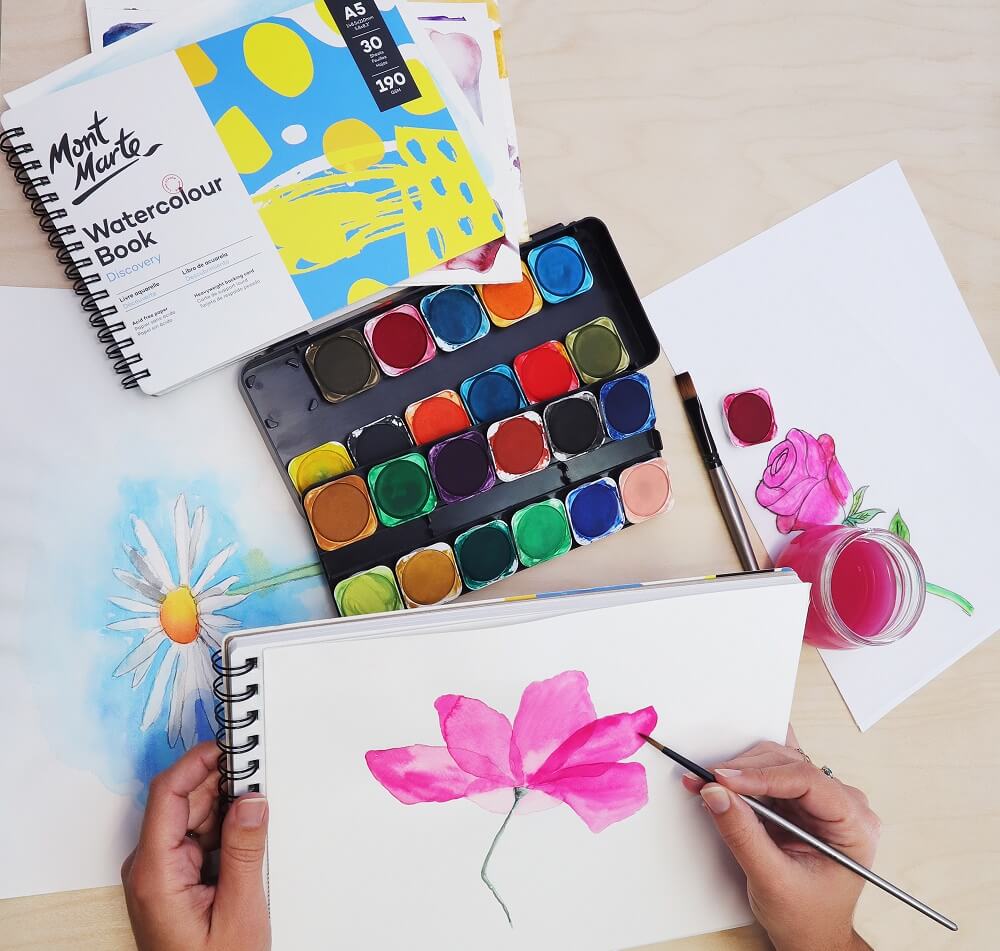
Now you know a little about me, I’m here to help you get into watercolour. It really is one of my favourite mediums, and definitely my go-to. Watercolours are brilliant if you want to work quickly and capture a moment because they dry so quickly. This lets you go back and draw on top of your painting once it’s dry with ink, pens or pencils to add definition and extra details.
1. First and foremost, paint for fun!

If you’re new to watercolours, it’s a great idea to just play around and experiment. For example, try painting on different cuttings of papers that have different textures. A smooth paper will stop the paint from flowing or bleeding as much, and super textured watercolour paper (that looks bumpy) will let the watercolours bleed – like big clouds of colour!
Try the paint on dry paper and try it after wetting the paper first. Have little samples or squares of colour painted from your watercolour pans – this lets you see how they look before you start painting your piece.
TOP TIP! Use a spray water bottle to wet your watercolour pans first, this allows you use them much more easily that just wetting your brush and each individual paint pan.
2. A basic watercolour plan is better than no plan

Before applying paint to paper, make a quick sketch of your artwork (if you haven’t already drawn what you’re painting). Think about your composition… is there negative space? Work out what bits of the picture will be light and which will be dark.
Is there are overall colour palette? You could even make little notes or prompts to remind you of what colour you want to use where. Try swatching your chosen colours on a separate piece of paper first to see how they dry. All this planning really helps and makes adding paint to a blank canvas much less scary!
3. Out of the darkness into the light… but the other way around!

Remember watercolours have a beautiful transparent quality which means you can change their intensity and depth by just by adding water (one of the reasons to love them). I would recommend working with light colours first, then gradually add darker ones. When deep rich colours are added, it’s hard to lighten them up again, so layering with the palest colours first is always a smart move. It also gives you time to look back at the work you are making and see what needs changing.
TOP TIP! Don’t forget to let each layer or area dry before adding the next.
4. Water is life

There are lots of different things you can do with watercolour. When you use a little water with it, you can get sharp clean tones, perfect for drawing outlines (e.g., the outline of a tree or structure of a building). This gives your artwork depth and is great for adding details.
On the other hand, when you add lots of water to your paint and paper you get ‘blooms’. This kind of looks like clouds of colour that bleed into each other, which I think is brilliant for painting water or flowers that have petals in varying shades of a colour.
5. Keep it clean!

No one like a muddy mess! A super colourful full pan of watercolours is very, very enticing…but try your best not to use every colour available to you. Think about having a palette of a few colours and sticking to it. Clean your brush in between, especially when using opposite colours (red then green for example).
TOP TIP! Use a folded square of kitchen roll or paper towel to blot your brush before cleaning it in your water. This keeps your water cleaner for much longer.
6. Progress not perfection!

I feel like this is a big mantra for me generally, but if you just keep giving it a go and experimenting you will absolutely progress. It doesn’t have to be perfect, just showing up is better than not trying at all. You’ll be amazed at how far you can go.
Marcella’s got us ready to get illustrating ASAP! We want to create a big journal of watercolour experiments, from swatches to blooms. See more of Marcella in her Feature Article or on socials @marcella_wylie.
If you wanna have a go, pick up some watercolours and watercolour paper to explore at home. If you make something, tag us on Instagram or Facebook @montmarteart or use #montmarteart to show us what you come up with.
To stay up-to-date with the latest projects, inspo, tips, and tricks, join our Creative Connection community by signing up down below.


